What It Costs to Replace a Water Heater in the Western Suburbs and What Moves the Price
What Aurora-Area Homeowners Should Know Before Replacing a Tank or Tankless Water Heater
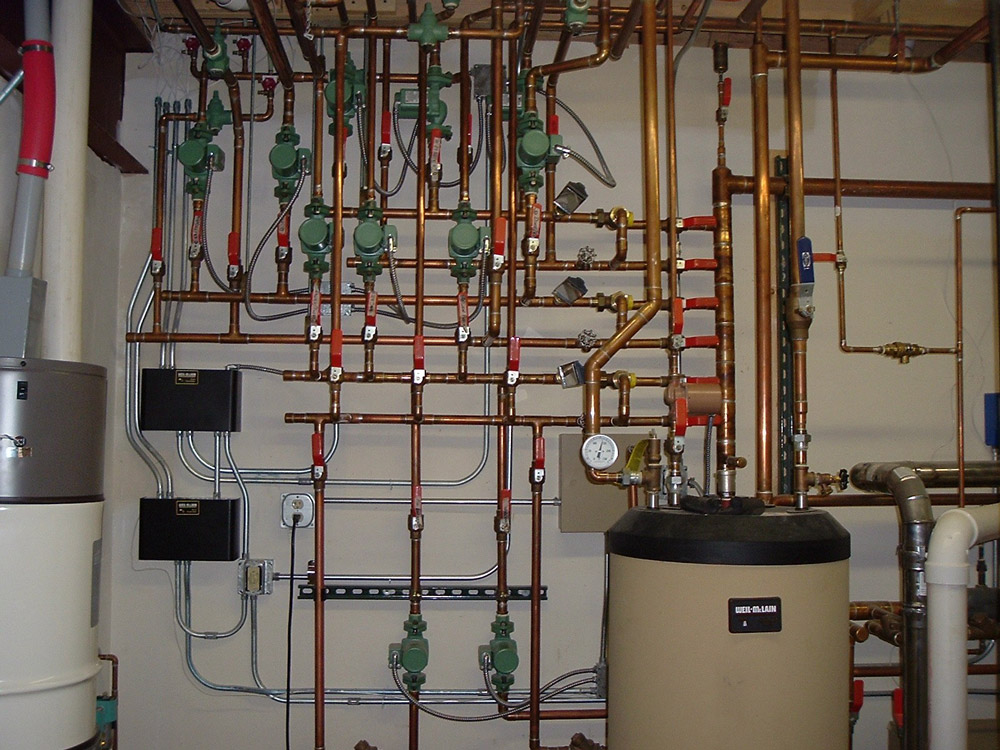
When your water heater starts leaking, stops producing enough hot water, or reaches the end of its service life, one of the first questions is usually the same: how much does it cost to replace a water heater?
For homeowners in Aurora, Naperville, Plainfield, Bolingbrook, and the surrounding western suburbs, the answer depends on more than the price of the new tank. Water heater replacement cost can change based on the size of the unit, fuel type, venting, code requirements, access to the installation area, and whether you are staying with a standard tank or upgrading to a tankless water heater.
Cannonball Mechanical helps homeowners understand those details before work begins. As a family-owned plumbing and heating company with decades of local experience, our team provides water heater installation, service, and repair for residential properties throughout the western suburbs. If your system is failing, leaking, or no longer keeping up with your household, we can inspect the unit, explain your options, and help you decide whether repair or replacement makes the most sense.
Call 630-896-4004 now to learn more.
Average Water Heater Replacement Cost
Most standard tank water heater replacements fall into a broad cost range because every home and installation is different. A simple replacement of a similar unit will usually cost less than a project that involves converting fuel types, upgrading venting, replacing old connections, adding code-required components, or switching to tankless.
In general, homeowners should expect the cost of water heater replacement to be affected by the size of the unit, whether the system is gas or electric, the condition of the existing connections, permit requirements, and whether any surrounding plumbing or venting needs to be corrected during installation.
That is why online averages can only tell part of the story. A 40-gallon replacement in an easy-access basement is not the same project as a tankless upgrade that requires new venting or gas line adjustments. The best way to know your true cost is to have a licensed plumber look at the existing setup and explain what is required for a safe, code-compliant installation.
Tank vs. Tankless Water Heater Replacement
One of the biggest cost factors is whether you choose a traditional tank-style water heater or a tankless system.
A standard tank water heater stores hot water in a reservoir, usually 40 or 50 gallons for many homes. These systems are common, reliable, and often less expensive to install upfront. If your current water heater is a tank and the new unit is similar in size and type, replacement is typically more straightforward.
Tankless water heaters heat water on demand instead of storing it. They can be a good fit for homeowners who want space savings, longer equipment life, and hot water that is not limited by tank capacity. However, tankless installation often costs more upfront because the home may need venting changes, gas line sizing adjustments, electrical work, or other modifications.
For many older homes in Aurora and the western suburbs, the question is not simply whether tankless is better. The better question is whether the home can support tankless without expensive upgrades and whether the household’s hot water use justifies the investment.
Cannonball Mechanical can help you compare both options clearly so you are not pushed toward a system that does not fit your home or budget.
40-Gallon vs. 50-Gallon Water Heaters
Water heater size also affects replacement cost. Many households choose between a 40-gallon and 50-gallon tank, but the right answer depends on your family size, number of bathrooms, daily routines, and peak usage.
A 40-gallon water heater may be enough for smaller households or homes with lighter hot water demand. A 50-gallon water heater may be a better fit for families, homes with multiple bathrooms, or households where showers, laundry, and dishwashing often happen close together.
Going larger is not always automatically better. An oversized water heater may cost more upfront and use more energy to keep water hot. An undersized unit can lead to short showers, inconsistent hot water, and frustration during busy mornings.
A plumber can help evaluate your actual usage and recommend a size that balances comfort, performance, and operating cost.
Gas vs. Electric Water Heater Replacement
Fuel type plays a major role in both installation cost and long-term operating cost.
Gas water heaters are common in many western suburban homes. They typically recover hot water faster than electric models, which can be helpful for larger households. However, gas units require proper venting and safe gas connections. If the venting is outdated, damaged, or not compatible with the new unit, that can affect the final replacement cost.
Electric water heaters do not require gas venting, but they do need the right electrical capacity. If the current wiring, breaker, or electrical setup does not match the new unit’s requirements, electrical updates may be necessary.
If you already have a gas water heater, replacing it with another gas model is often more straightforward than converting to electric. The same is true in reverse. Fuel conversion can be done in some cases, but it usually adds cost and planning.
Call 630-896-4004 or schedule service online for same-day repair
Code Requirements Can Affect the Final Price
Water heater replacement is not just a matter of setting a new tank in place. The installation needs to meet current plumbing, mechanical, and safety requirements.
Depending on the home and project, a proper installation may involve updated shutoff valves, a thermal expansion tank, a drain pan, correct venting, a properly routed temperature and pressure relief line, and safe water or gas connections. If the old installation does not meet current standards, those details may need to be corrected during replacement.
For homeowners, this is one of the biggest reasons hiring a licensed professional matters. A water heater is connected to water, energy, pressure, and in many homes, gas. Shortcuts can create leaks, code issues, poor performance, or safety concerns.
Cannonball Mechanical is licensed, insured, and bonded, giving homeowners confidence that the work is handled by qualified professionals who understand the requirements of the job.
What Can Make Water Heater Replacement More Expensive?
Two water heater replacements may look similar from the outside but carry very different costs once the details are inspected.
Your replacement may cost more if:
- The old unit is difficult to access or remove.
- The new unit requires venting, gas line, electrical, or plumbing adjustments.
- The project involves switching from tank to tankless.
- Existing valves, connections, or surrounding components need to be corrected.
This does not mean every replacement becomes complicated. Many homeowners simply need a properly sized replacement installed by a qualified plumber. But it does explain why a phone quote without seeing the setup may not be accurate.
Call 630-896-4004 or schedule a free installation quote online
Should You Repair or Replace Your Water Heater?
Not every water heater problem means the unit needs to be replaced. Some issues can be repaired, especially if the water heater is newer and the tank itself is in good condition.
Repair may make sense when the issue involves a valve, thermostat, pilot assembly, heating element, or fitting. If the unit is relatively new, has performed well, and the tank is not leaking, a repair may be the more practical option.
Replacement is often the better choice when the tank is leaking, the system is near the end of its expected service life, hot water runs out faster than it used to, rust-colored water appears from hot taps, or repair costs are starting to add up.
A leaking tank is one of the clearest signs that replacement is needed. Valves and fittings can often be repaired, but a corroded tank usually cannot be reliably fixed.
How Long Does Water Heater Replacement Take?
For a standard replacement where the new unit is similar to the old one and the existing setup is in good condition, installation may be completed relatively efficiently. More involved projects take longer.
A replacement may require additional time if the plumber needs to update venting, correct old piping, add required components, change the fuel setup, relocate the unit, or install a tankless system.
This is another reason to schedule service before the old unit fails completely. If your water heater is aging, noisy, rusty, or struggling to keep up, having it evaluated early gives you more control over timing, product selection, and budget.
How to Avoid Surprise Water Heater Costs
The best way to avoid surprise costs is to have the full installation reviewed before approving the work. A good estimate should account for the equipment, labor, removal, required components, permit considerations, and any visible issues with the current setup.
Before replacing your water heater, ask:
- Is my current water heater the right size for my household?
- Does my existing venting, gas, electrical, or plumbing setup need updates?
- Is repair still a reasonable option, or is replacement the smarter investment?
- What is included in the estimate?
Cannonball Mechanical believes homeowners should understand what they are paying for. Our team can inspect the system, explain what is required, and help you make a practical decision based on your home, budget, and hot water needs.
Choose Cannonball Mechanical for Water Heater Replacement in the Western Suburbs
When you need water heater replacement, you want the work done safely, correctly, and without confusion. Cannonball Mechanical provides dependable plumbing and heating service for homeowners throughout Aurora and the western suburbs.
Our service advantage comes from decades of local experience, licensed professionals, and the ability to handle both simple residential replacements and more involved plumbing and heating projects. We are family-owned, licensed, insured, and bonded, and our team is available for regular service as well as after-hours and weekend needs.
Whether your water heater is leaking, producing inconsistent hot water, making noise, or simply reaching the end of its life, Cannonball Mechanical can help you understand your options and choose the right replacement.
Schedule Water Heater Service Today
If you are asking, “How much does it cost to replace a water heater?” the next step is a professional look at your current system.
Call Cannonball Mechanical at 630-896-4888 to schedule water heater service in Aurora, Naperville, Plainfield, Bolingbrook, or the surrounding western suburbs. You can also fill out the form on the website to request an estimate.
From standard tank water heaters to tankless upgrades, Cannonball Mechanical is ready to help you restore reliable hot water to your home.
Same-day repair available
Free estimates for installation and replacement
Serving Naperville and surrounding DuPage County communities